Laundry Bag Set: An Amazon AU Launch at 2.44 ROAS
With the brand's first product already live, Xorora sourced and launched a second: a laundry bag set for delicates — reaching 2.44 ROAS on a $30/day Sponsored Products campaign one month into the brand's Amazon presence.

Deliver to Australia · Amazon AU Listing
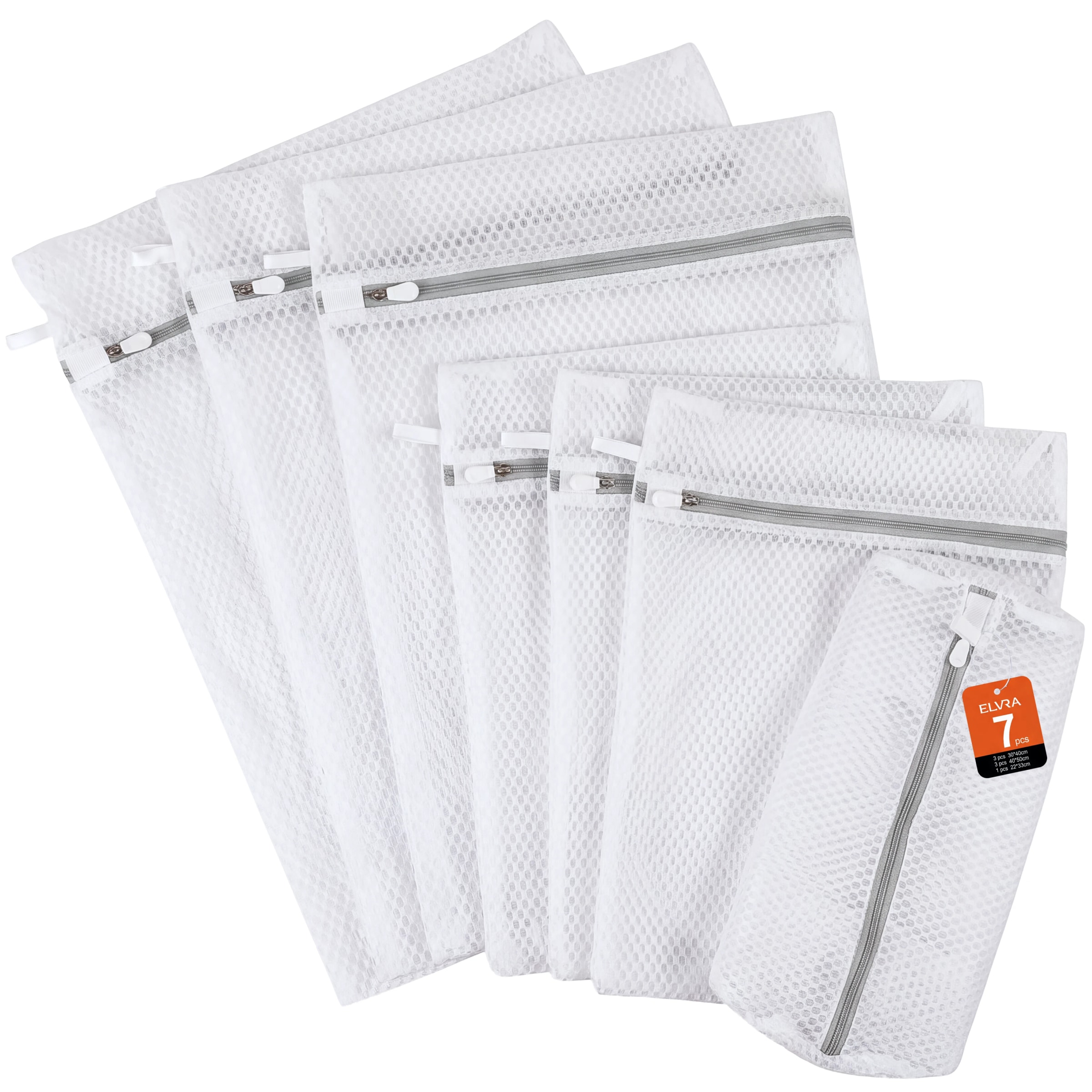
A second SKU with Brand Registry, assets, and process already in place
With the brand's first product already live, Xorora sourced and launched a second: a laundry bag set for delicates. This case study covers what changed the second time — when Brand Registry, brand assets, and a proven process were already in place before the product ever touched a listing.
The campaign launched as Sponsored Products with automatic targeting and a $30 daily budget, a month after the first product's campaign had already validated the brand's PPC structure in the AU market.
Deliver to Australia · Amazon AU Listing
Second product, same cold-traffic problem
Launching a second product under an existing brand carries a different risk than the first — infrastructure helps, but a new SKU still has to earn its own demand.
The brand infrastructure exists, but a new SKU still needs its own demand validation, its own keyword strategy, and its own listing built to convert cold traffic. Reusing the first product's shortcuts would have wasted the head start the brand had already earned.
Brand history existed — the new ASIN still had no reviews or organic rank of its own.
Category demand and feature completeness had to be validated again, not assumed from the first launch.
Keyword strategy and listing copy needed laundry-care research, not reused terms from the first product.
PPC still had to prove return on a disciplined $30/day Sponsored Products ceiling.
Listing image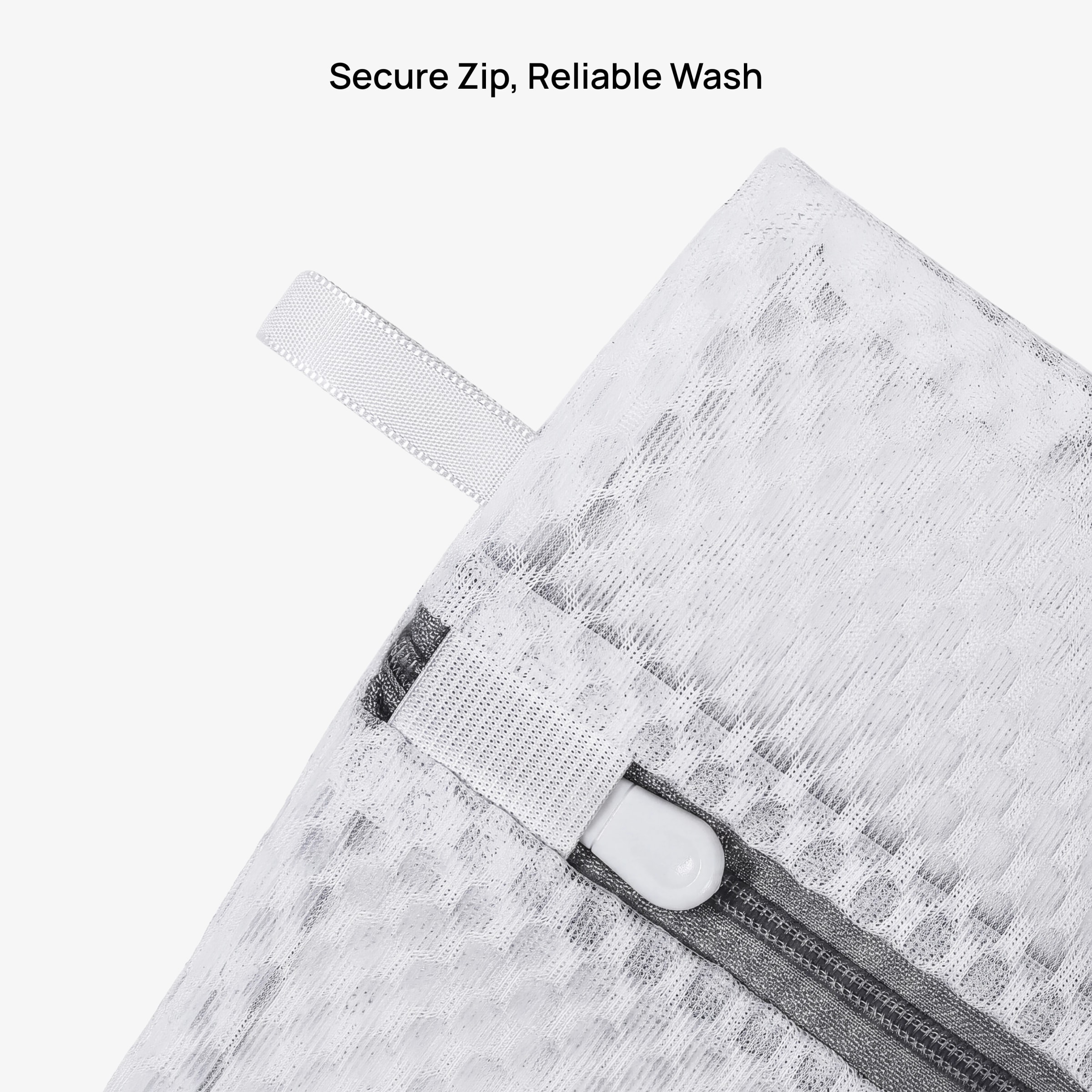
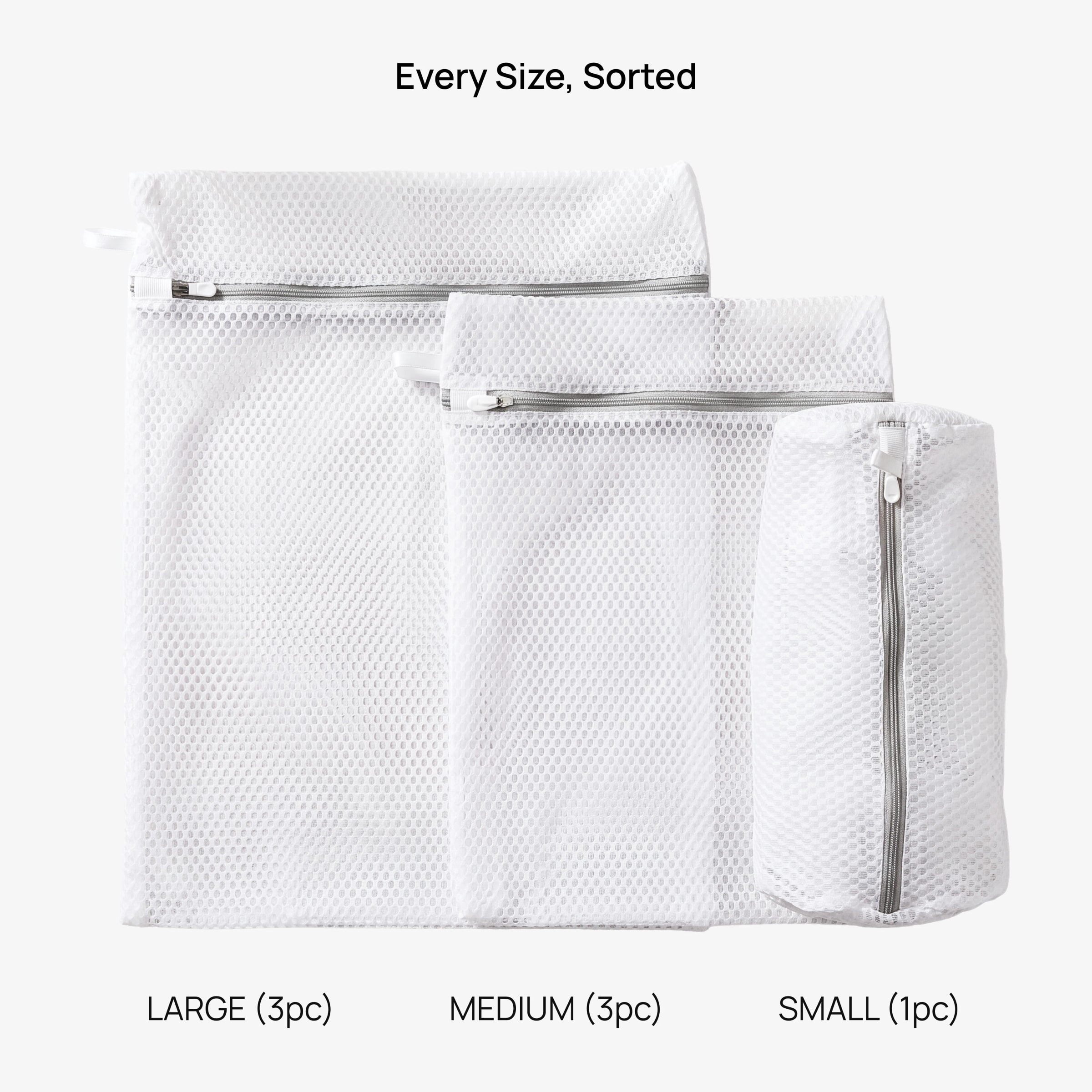
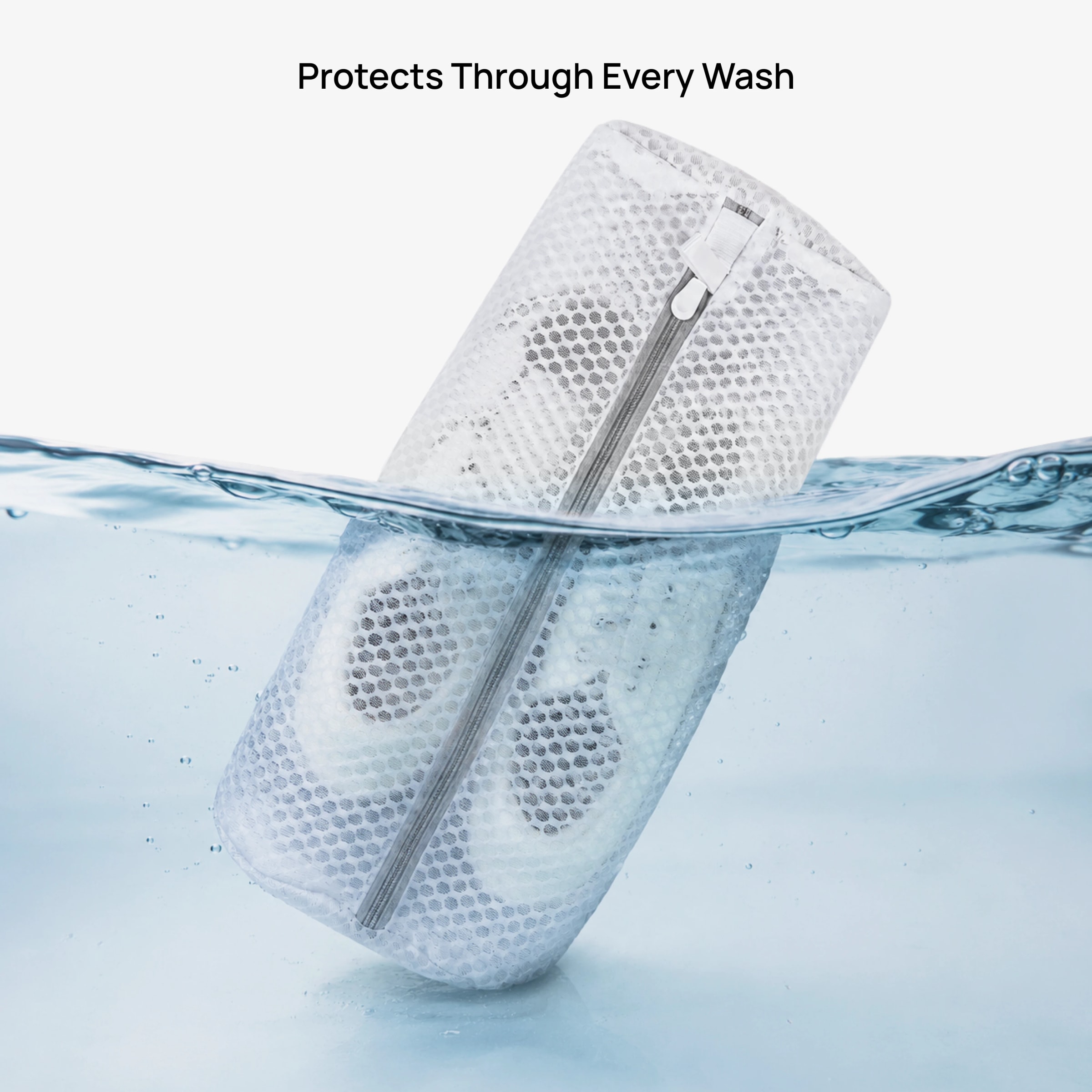
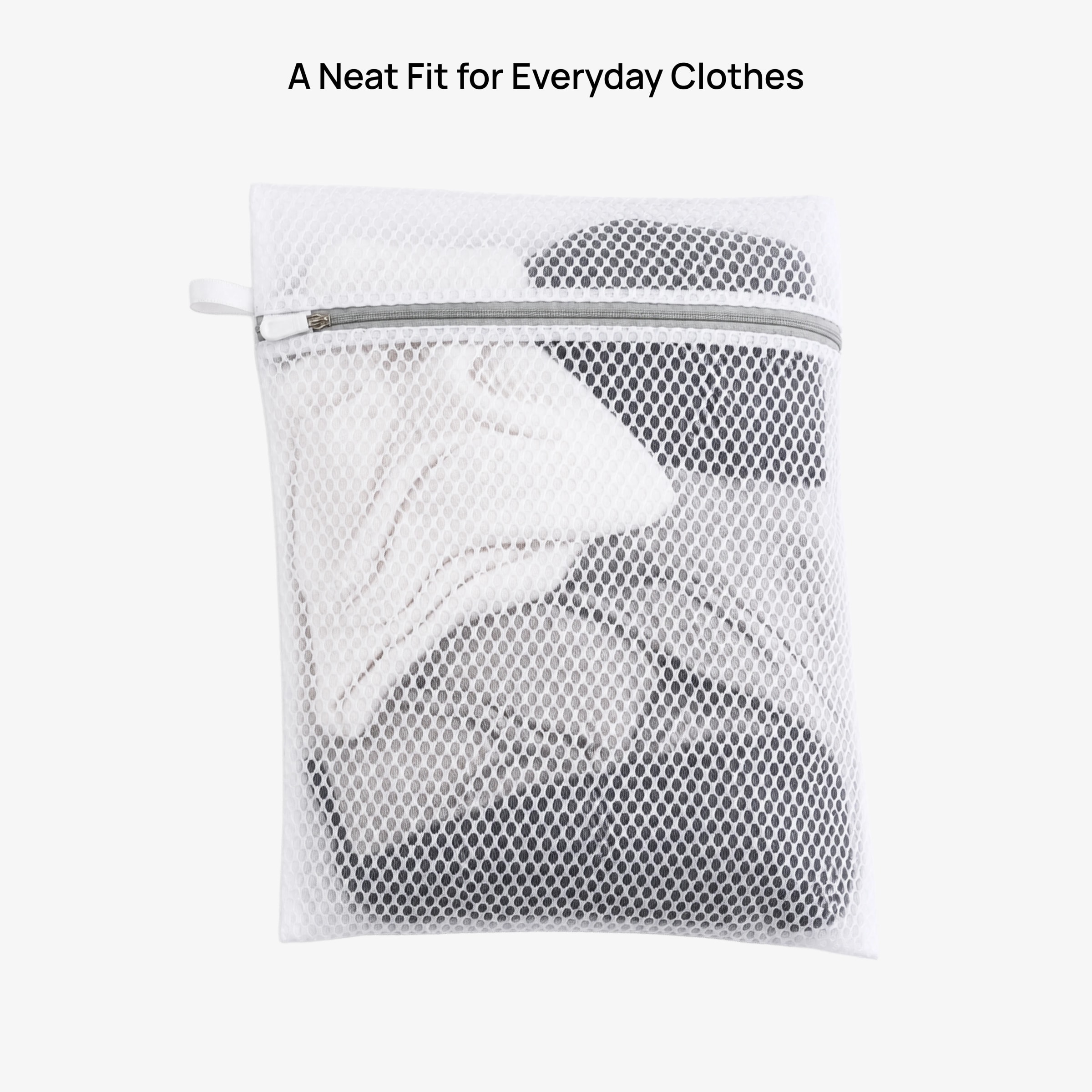
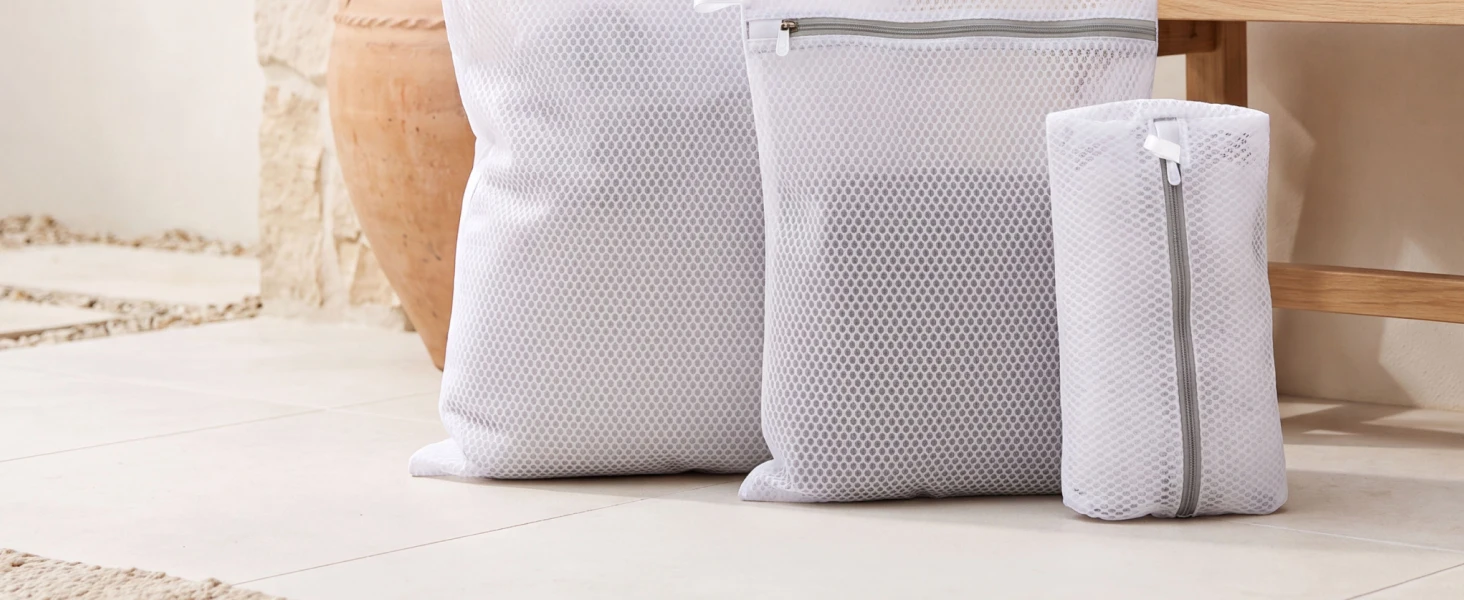
Secure Zip listing module — zipper pull tucked into protective cover
Images built to convert cold Amazon traffic
Above-the-fold proof first — then secondary frames that answer the objections Sponsored Products traffic always brings.
The listing was built to the same front-end and back-end optimization standards as the first product: image SOPs, keyword-driven title and bullet points, and backend search terms from category-specific keyword research rather than reused terms from the first launch.
- Above fold
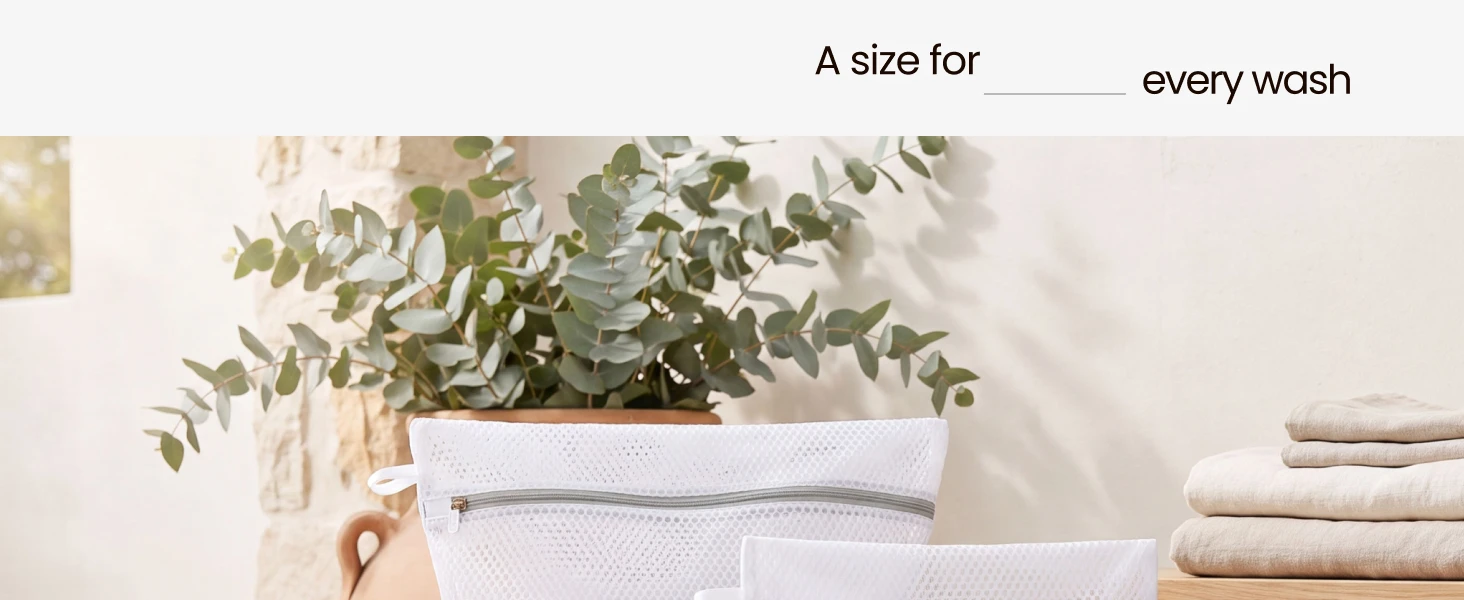
Hero still shows the full seven-piece set on white — set completeness reads instantly in the search grid.
- Objection stack
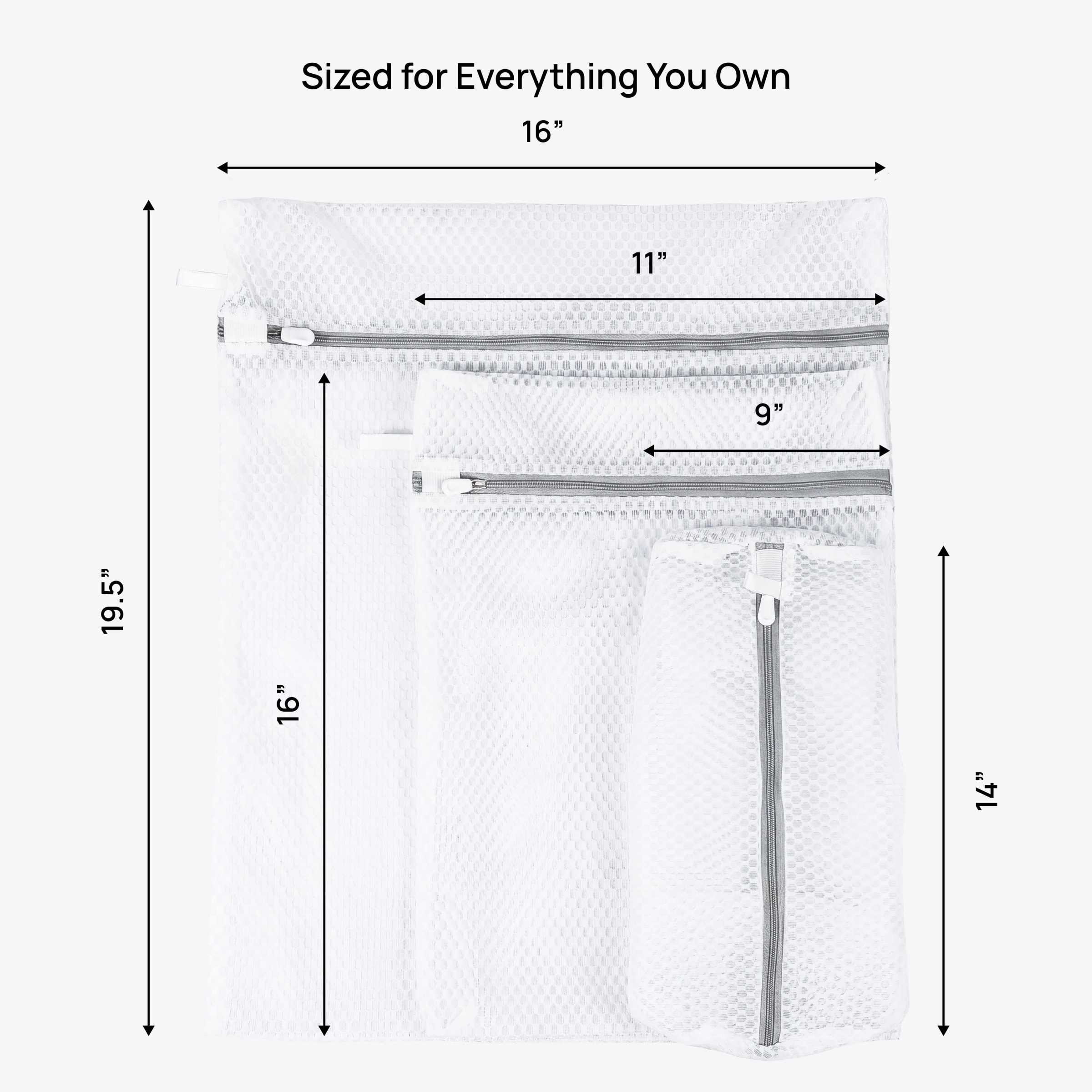
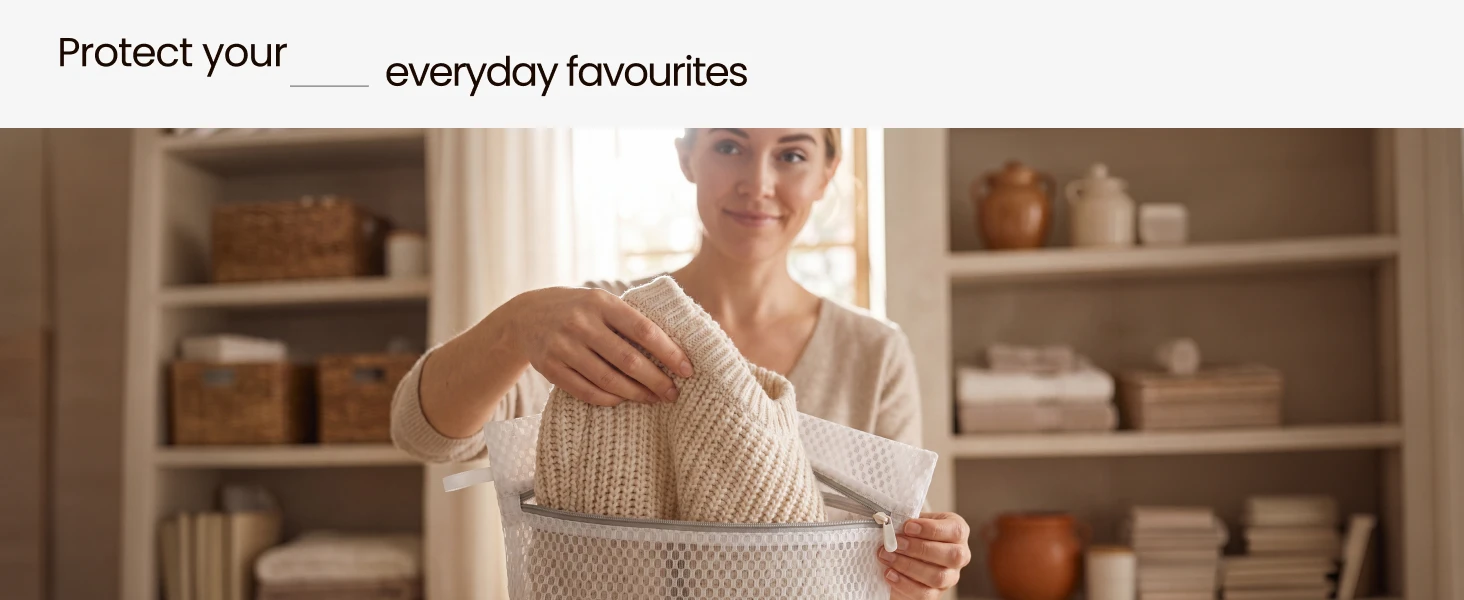
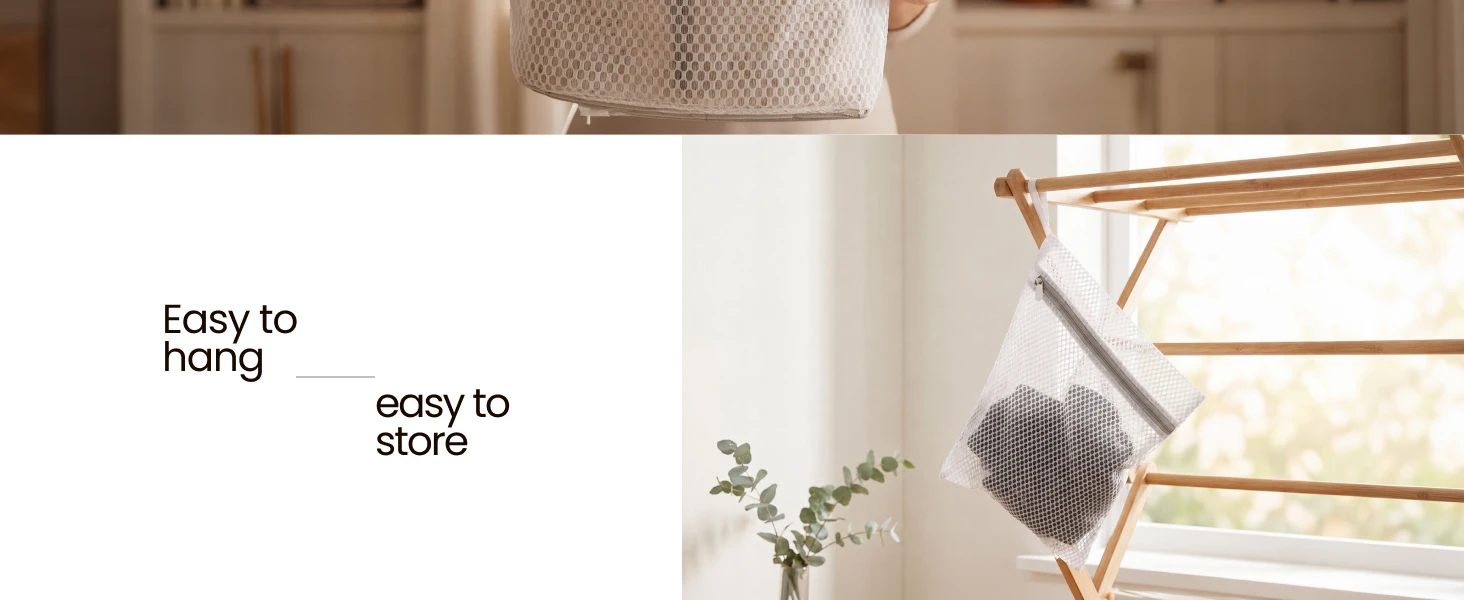
Secondary frames pre-answer sizes, snag-resistant zipper covers, wash protection, and everyday capacity.
- Category-native keywords
Backend search terms came from laundry-care research — not a copy-paste of the first product's index terms.
Same disciplined process — with brand assets already earned
Product hunting and sourcing, listing optimization, then PPC — but Brand Registry, A+, and the Brand Store were already in place at the account level.
Xorora ran the same disciplined process as the first launch, but with brand assets already established rather than built from zero. The chosen product filled a gap in the AU laundry care category: a heavy-duty, breathable mesh laundry bag set built to protect delicates during machine washing.
That head start shortened the pre-PPC runway the first product had to build from scratch — so Sponsored Products dollars hit a page that could convert sooner.
Launch pipeline: 01 Product hunting (opportunity score + risk factors) → 02 Listing optimization (main + secondary + category keywords) → 03 Brand assets inherited (Registry + A+ + Store) → 04 Sponsored Products ($30/day auto targeting).
Four phases, one connected launch
Marketplace execution with a second-SKU advantage — each phase had a clear deliverable shoppers or ads could use immediately.
Validated against the same opportunity score and risk framework as the first launch. The seven-piece set stood out on completeness — three sizes, snag-resistant zipper covers, and tear-resistant stitching competitors offered only partially.
Image SOPs, keyword-driven title and bullets, and backend search terms built from laundry-care research — not reused from the first ASIN.
No new Brand Registry work — the listing inherited the existing A+ Content framework and Brand Store secured during the first launch.
Automatic targeting, $30 daily budget, launched a month after the first campaign had already validated the brand's PPC structure in AU.
Image gallery, slide 1 of 5
Brand assets · A+ Content (Desktop)
amazon.com.au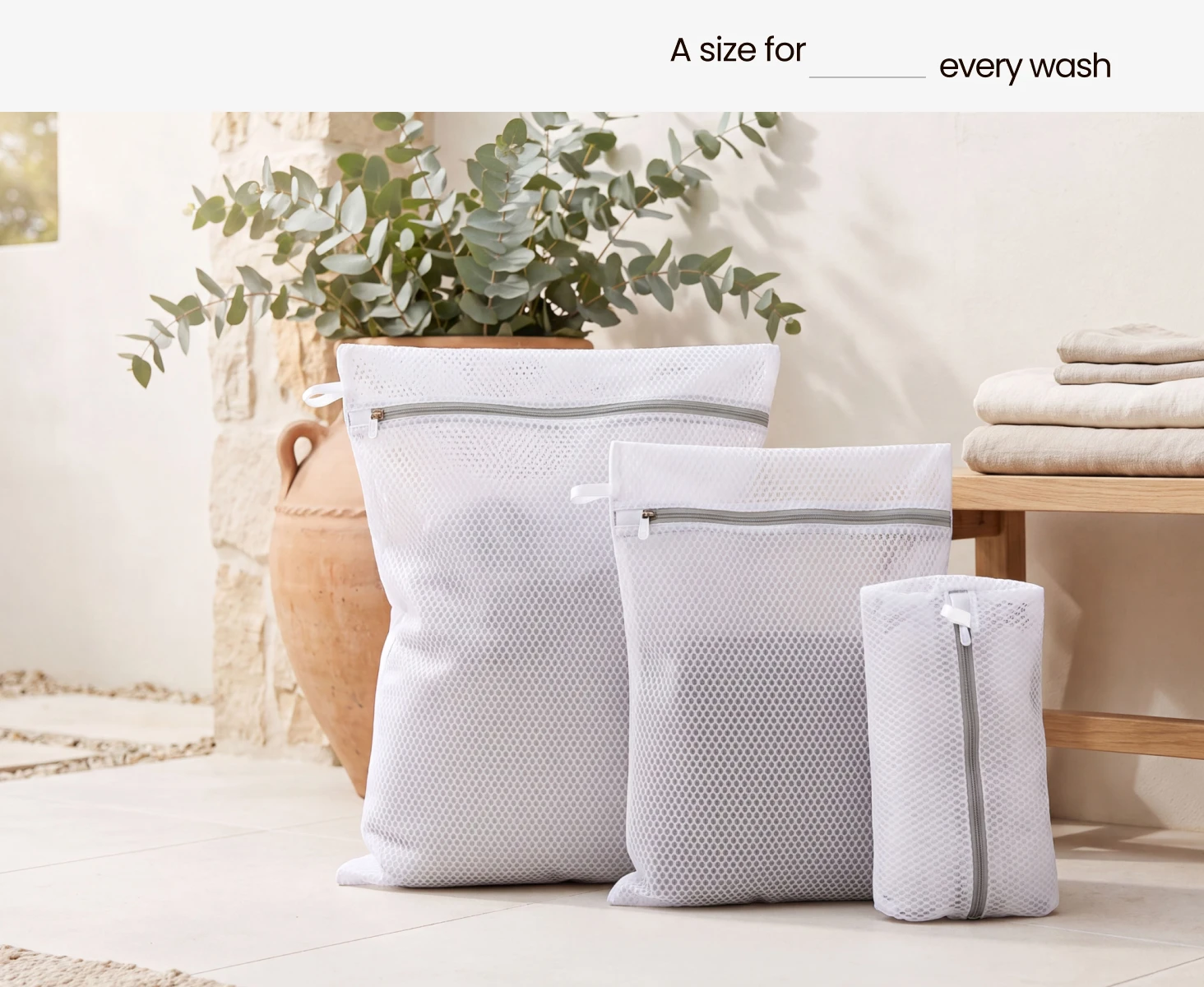
2.44 ROAS from a second-SKU campaign
Lifetime since campaign launch (15 Aug 2026 to present): Sponsored Products returned $2.44 for every $1 of ad spend — $271.20 attributed sales on $111.13 spend.
Laundry bag set · 15s product filmInfrastructure doing the work the first launch earned
The second product converted faster and cheaper than the first — at a CPC nearly 20% lower and a ROAS almost half again as strong. That's not the product being inherently easier to sell. It's Brand Registry, content, and store already doing work the first campaign had to earn from a standing start.
Product chosen for completeness
Seven-piece mesh set selected against AU laundry-care demand and feature gaps competitors left open.
Listing ready; brand already unlocked
Shopper-facing stills plus inherited A+ and Brand Store shortened the runway to PPC.
PPC that protected return
A $30/day automatic Sponsored Products plan scaled only what the new ASIN could defend.
Evolve your business with a leading AI development partner.
Let's engineer
what's next.
Book a build review. We'll pressure-test your idea and map the fastest path to production.